
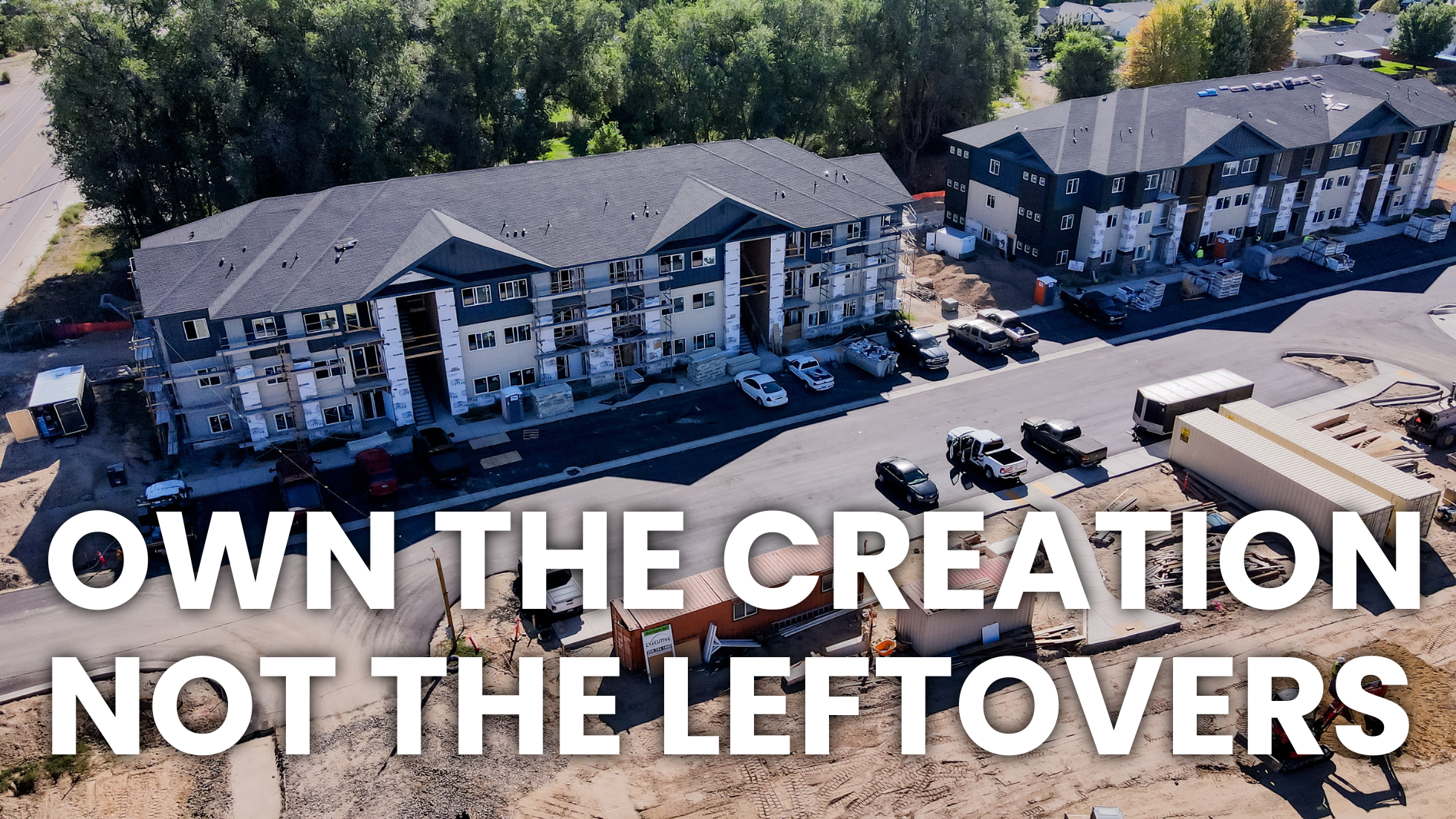
There is a fundamental “secret” in the world of high-stakes real estate that rarely makes it into the mainstream finance books.
Most people are taught to be consumers of real estate. They save for years to buy an existing property, hoping that 3% annual appreciation and a bit of monthly cash flow will eventually lead to freedom. It’s the “slow-and-steady” approach, and for many, it’s a trap.
But if you look at those who have generated tens of millions in the last year alone, they aren’t looking for “leftovers.” They are positioning themselves at the point of creation.
The Government’s Hidden Incentive
Here is the reality that most people miss: The tax code is not a list of rules; it is a series of incentives.
The government doesn’t particularly care if you buy a 30-year-old house and rent it out. However, the government desperately wants more housing, modern infrastructure, and economic development. Because of this, the tax code is skewed heavily in favor of the producer, not the consumer.
When you invest in development, you aren’t just making a profit. You are accessing a suite of legal tax advantages, from accelerated depreciation to development-specific credits, that allow you to keep more of what you earn.
Why “Existing” is Expensive
When you buy an existing rental or flip a house, you are squeezing cash out of an asset that has already peaked in its value-creation cycle. You are fighting for the crumbs left over by the person who actually built the project.
By the time a property hits the “retail” market:
-
- The developer has already taken the massive “equity jump.”
- The builder has already been paid.
- The government has already issued the primary incentives.
The wealthy skip the middleman. By investing in the manufacturing phase, they capture the value that occurs between “dirt” and “doorstep.”
The Three Pillars of Development Wealth
Why does the “Creation Strategy” outpace traditional landlording? It comes down to three things:
-
- Velocity of Capital: You don’t wait 30 years for a mortgage to pay down. Development allows for significant “forced appreciation” in a much shorter window.
- Tax Efficiency: Developers and their partners often enjoy the most aggressive tax-saving strategies available in the real estate world.
- Generational Legacy: It is much easier to pass on a high-yield, professionally managed development interest to your heirs than a portfolio of aging, high-maintenance rental houses.
The Simple Rule of the 1%
The strategy is simple, yet most were never taught it:
Own the creation, not the leftovers.
If you want to grow wealth faster and protect it from the taxman, you have to stop thinking like a landlord and start thinking like a developer. You don’t need to swing the hammer yourself, but you do need to be in the room where the building begins.
Invest Confidently with Shannon Robnett
By reading this blog you’ve began the first step in aligning your investment strategy with your personal financial goals. At Shannon Robnett Industries, we bring decades of experience structuring both types of opportunities, with a proven track record of helping investors build wealth through carefully vetted, tax-advantaged real estate projects.
Whether you’re seeking steady income through debt or long-term growth through equity, our team is here to help you make the right move.